


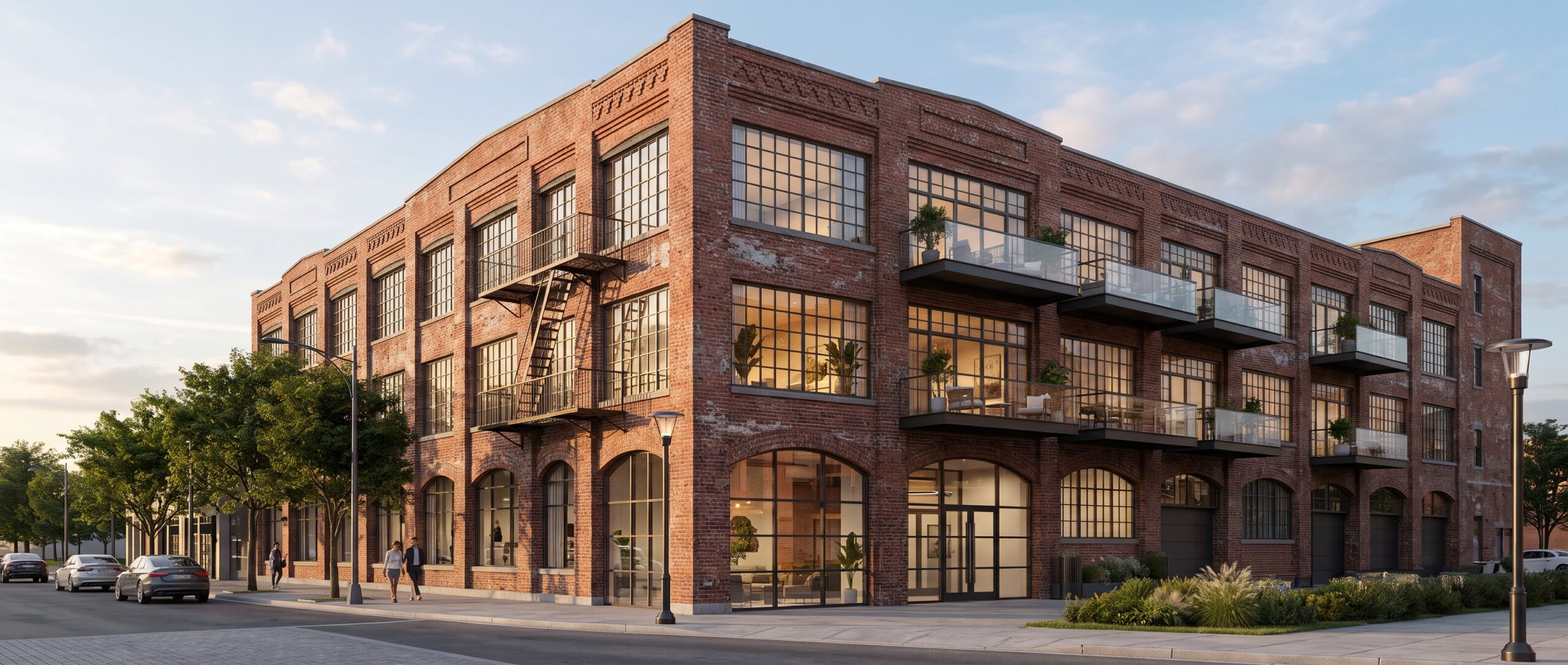
04 Nov Managing Heritage Properties
Managing Heritage Properties: Preserving History While Protecting Property Value
Heritage properties are more than buildings. They represent a community’s history, architectural character, and cultural identity. From historic residential buildings to converted industrial spaces and architecturally significant condominium developments, these properties offer something that modern construction cannot always replicate, a connection to the past.
However, maintaining a heritage property comes with a unique set of responsibilities. Unlike newer buildings, older properties often require specialized maintenance, careful planning, and a greater understanding of historical construction methods. Effective property management must balance preservation with the practical demands of operating a safe, functional, and financially sustainable building.
1. Understanding the Property’s Heritage Designation
One of the first steps in managing a heritage property is understanding its designation and any applicable restrictions.
Depending on the property’s location and legal status, certain exterior features, architectural details, materials, or structural elements may be protected under heritage legislation or municipal requirements.
Before undertaking renovations or significant repairs, management should determine whether approvals are required. This may involve coordinating with municipal heritage staff, conservation specialists, architects, and other qualified professionals.
Understanding these requirements early helps prevent unnecessary delays and ensures that work respects the property’s historical significance.
2. Balancing Preservation with Modern Building Requirements
One of the biggest challenges of managing older properties is integrating modern building requirements without compromising their original character.
Electrical systems, plumbing, heating, ventilation, and fire protection may require upgrades to support current building operations and safety expectations.
However, these improvements can be more complicated when working with original architectural features, aging materials, or historically significant interiors.
Management must carefully coordinate qualified contractors and specialists to ensure that upgrades are completed appropriately. The goal is to improve functionality and safety while preserving the features that make the property distinctive.
3. Developing a Proactive Maintenance Strategy
Older buildings often require more specialized maintenance than newer developments. Roofing, masonry, windows, foundations, and exterior finishes may be particularly vulnerable to deterioration over time.
Rather than relying solely on reactive repairs, property managers should prioritize regular inspections and preventative maintenance.
Identifying early signs of water infiltration, structural deterioration, or material damage can help reduce the risk of more extensive repairs.
A well-developed maintenance plan should also consider the availability of appropriate materials and qualified tradespeople who understand heritage construction techniques.
4. Planning for Long-Term Financial Sustainability
Heritage property management can involve higher maintenance and restoration costs, making financial planning especially important.
Condominium corporations should consider the property’s unique maintenance requirements when developing operating budgets and reserve fund plans.
Major restoration projects may require specialized assessments, additional approvals, and longer project timelines. Planning ahead allows management and condominium boards to make informed decisions rather than responding to unexpected expenses.
5. Working with the Community and Stakeholders
Heritage properties often hold significant value for the surrounding community. Residents, condominium boards, municipal representatives, and preservation organizations may all have an interest in how the property is maintained.
Clear communication is essential when planning restoration projects, scheduling maintenance, or introducing changes that may affect the building’s appearance or daily operations.
Involving the appropriate stakeholders helps establish realistic expectations and supports informed decision-making.
Preserving the Past, Planning for the Future
Managing a heritage property requires a thoughtful balance between preservation and progress. With proper planning, specialized maintenance, responsible financial management, and effective communication, these buildings can continue serving their communities for generations.
At CMC, we believe that successful property management means recognizing the unique value of every property. Heritage buildings deserve an approach that protects their history while ensuring they remain safe, functional, and sustainable for the future.